No Down Payment? No Problem: Help Clients Buy with a Borrowed Down Payment
In this episode, Scott Dillingham shows you how to legally help clients borrow their down payment using CMHC FlexDown, cash-back mortgages, and gifted funds — turning dead-end conversations into closed deals. Scott…
Watch the episode

Show notes
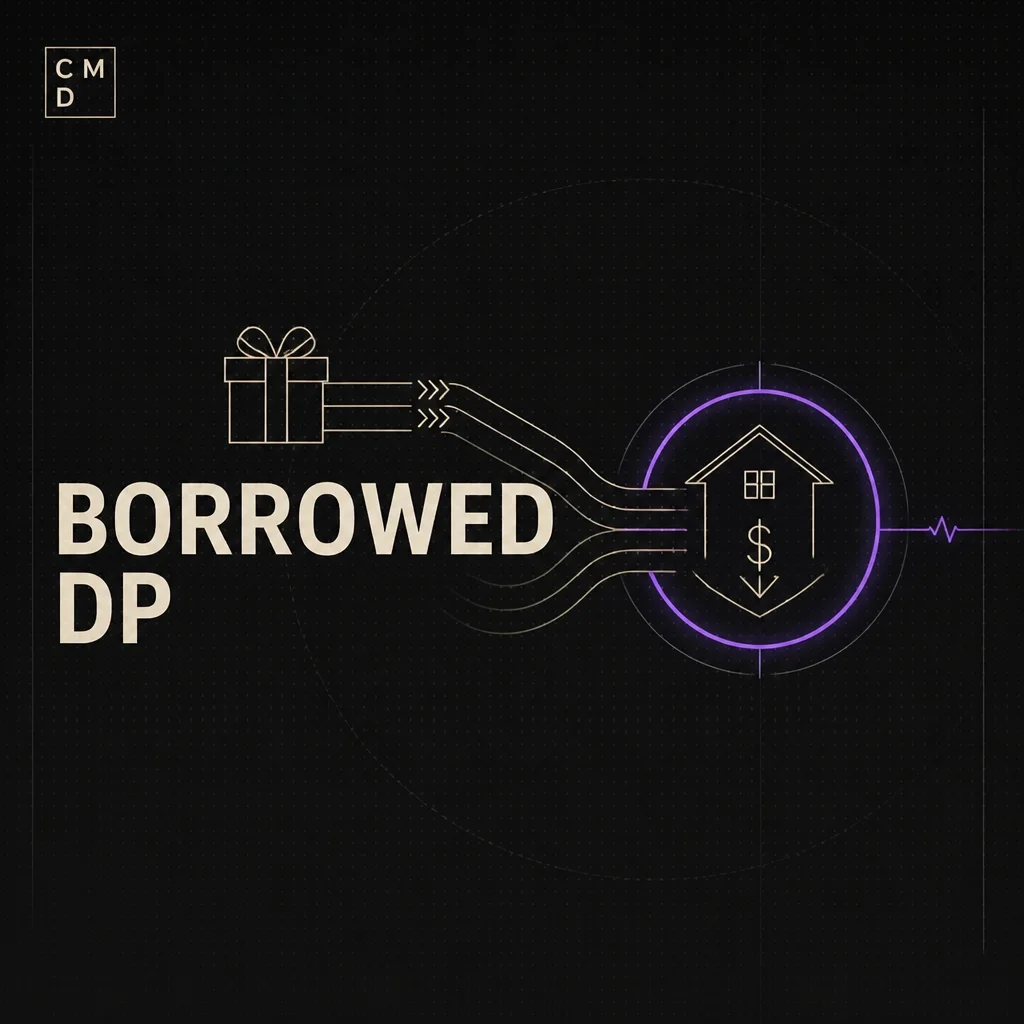
The #1 reason first-time buyers walk away from a deal is 'I don't have the down payment.' In this episode, Scott Dillingham shows you how to legally help clients borrow their down payment using CMHC FlexDown, cash-back mortgages, and gifted funds — turning dead-end conversations into closed deals.
Scott layers in a pro tip from his early days at LendCity: pair FlexDown with cash-back mortgages offering 1% to 5% rebates. Borrow the 5% down, close the deal, then use the instant cash back to repay the loan—leaving clients with just their primary mortgage and zero extra debt. This tactic sidesteps common barriers for first-time buyers in Canada's competitive housing scene. With average home prices holding steady and new rules favoring insured low-down-payment loans, Scott stresses education over pressure sales, urging listeners to qualify credit first and prospect relentlessly for long-term wins.
Whether you're a realtor building your pipeline or a buyer eyeing that first property, this episode equips you with actionable intel to bypass down payment roadblocks. Hosted by LendCity, Canada's trusted mortgage partner for pre-approvals and custom solutions, it blends practical wisdom with updated 2025 market insights for sustainable wealth building in real estate.
Key Takeaways
- Prospecting Mindset: Real estate success demands consistent outreach—when clients cite no down payment, pivot to credit checks; scores of 700+ unlock flexible programs like CMHC FlexDown for immediate action.
- CMHC FlexDown Basics: Borrow the 5% minimum down from lines of credit, personal loans, or family; lenders include only minimum payments in debt ratios, keeping affordability intact for strong borrowers (confirmed active via CMHC/Sagen in 2025).
- Cash-Back Layering Hack: Select lenders offering 1-5% rebates (e.g., up to $5,000 from TD or YNCU promotions ending late 2025) to repay borrowed down payments post-closing, simplifying to a single mortgage payment.
- Credit Threshold Strategy: Always start with a credit score inquiry—700+ qualifies for insured flexibility, avoiding conventional 20% down requirements and enabling 95% loan-to-value purchases under $500,000.
- Debt Ratio Caution: Borrowed funds must be conservative; focus on minimum payments only, and educate clients on long-term impacts to build trust and prevent overextension in today's rate environment.
- LendCity Action Step: Contact LendCity for free pre-approvals to test FlexDown eligibility, turning prospecting leads into closed deals with transparent, client-first advice.
Links to Show References
- LendCity Mortgages (Pre-Approvals & FlexDown Guidance): lendcity.ca
- CMHC FlexDown Program Details: cmhc-schl.gc.ca
- Sagen Borrowed Down Payment Info: sagen.ca/products-and-services/borrowed-down-payment
- (00:02) - Qualifying Buyers Without Down Payments
- (00:14) - Understanding Credit Scores
- (01:36) - Exploring RSP Loans
- (02:44) - Comparing Loan Options
- (03:18) - Key Takeaways for Buyers
Realtor questions from this episode
How can a buyer with no savings still buy a home?
Scott says to ask the client their credit score. If it is 700 or higher, they can potentially use one of two programs, provided they also have strong income: CMHC FlexDown or an RRSP loan.
What is CMHC FlexDown?
Scott says FlexDown stands for flexible down payment. A strong borrower can borrow the down payment from a line of credit, a credit card or a family member, the minimum payment on it is counted in the debt ratios, and they can buy right away.
How does the RRSP loan approach differ?
The client takes an RRSP loan from a bank, and after the RRSPs have been in for 90 days they can redeem them for the down payment. Scott says it takes longer but is easier to qualify for, because the lender sees the money staying in the bank, and the client gets a tax break and can have best rates on the mortgage. He says it has to be repaid, which he believes is over ten years.
Transcript
Transcript of the episode as recorded. Rates, fees and program details are as stated on the recording date and may have changed.
Welcome to the Close More Deals podcast.
Welcome to the Close More Deals podcast. I'm your host, Scott Dillingham. Today, I'm gonna be talking to you about how to qualify your buyers that say they don't have any down payment, and you can qualify them today. And I'm gonna explain. But getting out there, prospecting, doing all those things, it's a lot of hard work. Right? So when you're speaking to people and they say that they don't have a down payment, ask them what their credit score is. If it's 700 or higher, then they can potentially tap into one of these two programs that I'm going to outline next.
The first program is a program through CMHC called FlexDown. What it does, it's flexible down payment. That's what that that means, what that stands for. So if the borrower is strong, they can borrow their down payment, whether it's from a line of credit, a credit card, a family member, whoever, right, and we factor in that minimum payment against them, but they can buy now. So they can borrow that, we'll factor into the debt ratios, and we're good to go. One little layer that I usually do on this as well is depending on the borrower, there's some lenders that offer cash back anywhere from one to 5% cash back.
So what I did when I first started lending was we would have the the client borrow the down payment, the 5% down, then we'd give them the 5% cash back so they could pay off the loan, and then they just had their mortgage. Now the cash back interest rate goes up. Right? It's usually 20 basis points per 1% cash back. So if you get the full, you know, 5% cash back, you're you're increasing the rate by 1%. However, for someone who's not able to buy, it's a great option because they can buy now, which is the goal.
Right? The second thing that you can do, it's called an RSP loan. So the client goes to a bank, we can help advise, we know the ones that do this, but they apply for an RSP loan. Now RSPs, in the year that you deposit them, is a bit of a tax break. So they're gonna get a tax break from their RSPs, So, you know, that's that's a positive. Now, once those RSPs are in there for ninety days, you can then redeem them for the down payment.
So it's another way to purchase, but it's a little bit longer.
So it's another way to purchase, but it's a little bit longer. Right? It's a ninety day time period instead of the flex down where they could do it right away. However, it is a little easier to qualify for because if you're applying for just a regular line of credit for your down payment, it's completely unsecured. Or if you apply for an RRSP loan, that is tied to the RRSPs. Right? So the way that the lender sees it, they're giving you a loan, but the money never leaves the bank.
Do you know what I mean? It's not like you're taking it and you're going out and spending it. They're just reinvesting it somewhere else. So it's it's less risky. It's easier to get approved for. The downside is that it takes longer. Right? It takes the ninety days. But then we can redeem the RRSPs for the down payment and move forward. So with this program, they can get best rates on the mortgage. Right? Because we're not doing the cash back. You could if you wanted to, but the RRSPs, they need to be paid back.
I believe it's ten years. Ten years like equal installments. So you do have to pay it back, but it's at a much, you know, easier frequency than the the first loan program. And both of those programs are available for credit scores over 700. Now again, keep in mind, you have to have that strong income. You have to have all that stuff still behind you. So this is just someone that they got a good income, good credit score, but they just didn't have the ability to save yet.
Maybe they just finished school. Right? And they just started their job. And you know what I mean? There's all these different variables, but those are the two things that we're looking for, income to qualify and the credit score. And if you've got that, you've got a deal. I hope this episode helped. Check the show notes below for full details, as well as additional resources. Looking forward to seeing you next time.